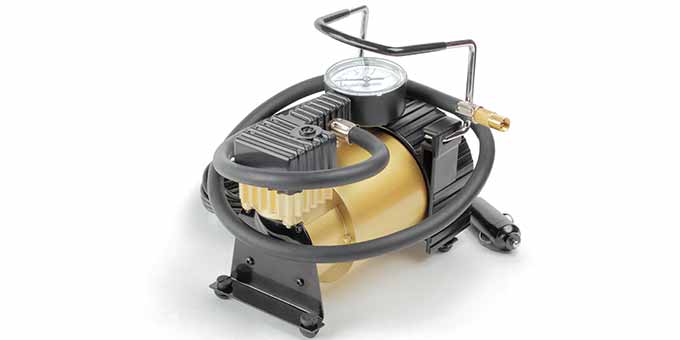
The Benefits of Using an Air Compressor for Cleaning and Maintaining Garden Tools
The Steps to Clean and Maintain Garden Tools and Equipment with an Air Compressor
Here are the steps to clean and maintain your garden tools and equipment with an air compressor:
- Start by gathering all your tools and equipment in one place. This will make it easier to clean and maintain them.
- Inspect each tool and equipment for any damage or wear and tear. If you notice any issues, it is best to repair or replace them before proceeding with the cleaning process.
- Set up your air compressor according to the manufacturer’s instructions. Make sure that it is in a safe and secure location, away from any water sources.
- Attach the air hose to the air compressor and then to the nozzle of the tool or equipment that you want to clean.
- Turn on the air compressor and adjust the pressure according to the needs of the tool or equipment that you are cleaning.
- Hold the nozzle of the air compressor about six inches away from the tool or equipment and move it in a circular motion. This will blow away any dirt and debris from the surface of the tool.
- Use a soft cloth or brush to remove any remaining dirt or grime from the tool or equipment. Be careful not to damage the surface of the tool while cleaning it.
- Once you have cleaned all your tools and equipment, let them air dry completely before putting them away.
- Finally, store your tools and equipment in a dry and well-ventilated area to prevent rust and other forms of damage.
By following these steps, you can effectively clean and maintain your garden tools and equipment with an air compressor. It is a quick and easy way to keep your tools in good condition and extend their lifespan.
Now, let’s take a look at some of the best air compressors for cleaning and maintaining garden tools and equipment.
The Top 10 Air Compressors for Cleaning and Maintaining Garden Tools and Equipment
PORTER-CABLE CMB15
The PORTER-CABLE Air Compressor is a portable and lightweight option for cleaning and maintaining garden tools and equipment. It has a 2.0 SCFM @ 90 psi rate of flow, which allows for quick compressor recovery time.
The electric air compressor also has a 1.5 gallon tank that is easy to carry and comes with a water drain valve and rubber feet. The 150 psi max tank pressure allows for longer tool runtimes, and the oil-free pump ensures durability and no maintenance.
The 120V motor is low amp, making it easy to start in cold weather or with an extension cord. At only 20 lbs, this compressor is easy to transport, and it operates at a low noise level of 79 dBA, making it suitable for use in a variety of environments.
The fully enclosed design provides protection from hot or moving parts, and the 25′ coil hose and 8 pc accessory kit make it suitable for a range of inflation tasks.
Pros
- Portable and lightweight
- Quick compressor recovery time
- Easy to carry and store
- Long tool runtime
- Durable and low maintenance
- Low noise operation
- Fully enclosed design for safety
- Versatile accessory kit
Cons
- May not be suitable for heavy-duty tasks
- Limited tank capacity may require frequent refills for larger tasks
- Limited power output compared to other air compressors on the market


The Makita MAC2400
The Makita MAC2400 Air Compressor is a powerful and durable option for cleaning and maintaining garden tools and equipment. It is equipped with a cast iron pump and a 2.5 HP 4-pole motor that produces 4.2 CFM at 90 PSI, providing increased productivity and lower noise levels.
The roll-cage construction offers complete protection for use in extreme environments, and the low AMP draw reduces the risk of tripped breakers at start-up. The pump is oil-lubricated for cooler running temperatures and reduced wear, and the cast iron cylinder is durable and can be removed for easy maintenance.
The large air filter allows for greater air intake and improved efficiency, and the pump operates at a lower RPM, resulting in lower noise levels and enhanced pump durability.
Pros
- Powerful and efficient motor
- Durable and well-protected design
- Low AMP draw for easy start-up
- Oil-lubricated pump for reduced wear
- Removable cylinder for easy maintenance
- Large air filter for improved efficiency
- Low noise operation
Cons
- Corded electric power source may limit mobility
- May not be suitable for heavy-duty tasks
- Higher price point compared to some other air compressors on the market


The DEWALT DWFP55126
The DEWALT Pancake Air Compressor is a versatile and portable option for cleaning and maintaining garden tools and equipment. It has a 6.0 gallon tank and a high-efficiency motor that enables long tool run times with quick recovery.
The 78.5 dBA noise level makes it suitable for use in a variety of environments, and the high flow regulator and couplers are designed to maximize air tool performance. The oil-free pump ensures maintenance-free operation, and the console cover protects the controls and can be removed for easy repair.
The outlet tube is rerouted to avoid being a catch point, and the unit is lightweight and easy to carry or store. It also has two universal couplers and a ball drain valve for thorough tank draining.
Pros
- Portable and versatile
- Long tool run time with quick recovery
- Quiet operation
- High flow regulator and couplers for improved performance
- Maintenance-free operation
- Protective console cover
- Lightweight and easy to carry or store
- Multiple couplers and ball drain valve for convenient use
Cons
- Corded electric power source may limit mobility
- Limited tank capacity may require frequent refills for larger tasks
- Lower power output compared to some other air compressors on the market


California Air Tools CAT-1P1060S
The California Air Tools Air Compressor is a lightweight and powerful option for cleaning and maintaining garden tools and equipment. It operates at a ultra-quiet 56 decibels and has an oil-free pump for reduced maintenance and costs.
The compressor is lightweight, making it easy to transport, and it has a 1.0 gallon steel tank. The 0.6 HP motor produces 1.2 CFM at 90 PSI, providing ample power for a range of tasks.
Pros
- Lightweight and portable
- Ultra-quiet operation
- Oil-free pump for reduced maintenance
- Powerful motor for efficient performance
- Compact design for easy storage
Cons
- Corded electric power source may limit mobility
- Limited tank capacity may require frequent refills for larger tasks
- Lower power output compared to some other air compressors on the market


The Bostitch BTFP02012
The BOSTITCH Pancake Air Compressor is a powerful and versatile tool for cleaning and maintaining garden tools and equipment. It features a long-life oil-free and maintenance-free pump, making it easy to use and maintain.
The 150 max PSI and 6.0 gallon tank provide plenty of power and a long runtime, and the high efficiency motor allows for easy start-up even in cold weather.
The compressor operates quietly at 78.5 dBA, making it ideal for use in a variety of environments. The 29 lb weight makes it easy to carry and store, and the high flow regulator and couplers maximize the performance of air tools.
Pros
- High power and long runtime
- Maintenance-free design
- Quiet operation
Cons
- Relatively heavy weight
- Requires an extension cord for some applications


The Senco PC1010
The Senco PC1010 Air Compressor is a lightweight and portable tool that is ideal for a range of renovation and home improvement tasks, as well as for hobbies and crafts.
It has a one horsepower peak and a 1/2 horsepower running motor, and a one-gallon capacity, making it well-suited for a variety of tasks. The compressor delivers 20 to 44 drives per minute.
Pros
- Compact and portable
- Small air tank for small cleaning tasks
- Low noise design
Cons
May not be suitable for heavy-duty cleaning tasks


The Campbell Hausfeld FP2028
The Campbell Hausfeld FP2028 Air Compressor is a powerful and versatile tool that is ideal for a range of tasks, including air brushing, nailing, and inflation. It operates on 120-volt household current, and has a maximum pressure of 110 PSI and a flow rate of 0.36 CFM at 90 PSI, making it well-suited for DIY projects.
The conveniently placed gauge allows for easy monitoring of air pressure, and the oilless pump means maintenance-free ownership for a longer lasting unit. The compressor includes a 25-foot recoil hose, needle, needle adapter, inflator nozzles, air chuck, and on-board storage for accessories. It is lightweight and easy to carry, making it ideal for cleaning and maintaining garden tools and equipment.
Pros
- High power and flow rate
- Convenient gauge and on-board storage for accessories
Cons
Relatively high operating noise level


The Ingersoll Rand SS3F2-GM
The Ingersoll Rand SS3F2-GM Air Compressor is a powerful and versatile tool ideal for cleaning and maintaining garden tools and equipment. It features a portable design, with a heavy-duty ergonomic handle and semi-pneumatic tires for easy handling.
The compressor is user-friendly, with a low noise level of 80 dBA, an easily accessible side drain valve, and an automatic start/stop pressure switch control. It has a maximum power of 2 horsepower and a 30-gallon receiver tank for tough applications.
The compressor also has a reliable operation, with a durable cast iron cylinder and frame, and a protective enclosed belt guard. It is suitable for use in a variety of environments.
Pros
- High power and large capacity
- User-friendly features
- Durable construction
Cons
Relatively heavy weight


The Metabo HPT EC710S
The Metabo HPT EC710S Air Compressor is a powerful and versatile tool that is ideal for cleaning and maintaining garden tools and equipment. It features a 6-gallon pancake style tank, which provides reliable and rugged performance.
The compressor has a maximum working pressure of 150 PSI, providing longer run times, and a flow rate of 2.8 CFM at 90 PSI, allowing it to operate multiple nailers depending on the application. The 1-HP oil-free high-efficiency motor ensures reliable startups even in cold weather, and the steel roll cage with rubber grip protects all critical components and provides comfort during transport.
The compressor operates quietly at 73 dB, ensuring a quieter work environment.
Pros
- Reliable and rugged performance
- High power and long run times
- Easy startups in cold weather
- Durable and protective construction
Cons
May not be suitable for heavy-duty cleaning tasks


The Rolair JC10
The Rolair JC10 Air Compressor is a powerful and reliable tool ideal for cleaning and maintaining garden tools and equipment. It has a flow rate of 2.35 CFM at 90 PSI, and a 1725 RPM motor, providing plenty of power for a range of tasks.
The compressor has an oil-less design, which reduces maintenance and downtime, and a 2.5 gallon tank capacity, allowing for a long runtime. It is constructed with a cast aluminum cylinder, providing durability and longevity. The compressor operates quietly at 60 dB, making it suitable for use in a variety of environments.
Pros
- High power and flow rate
- Oil-less design reduces maintenance and downtime
- Durable construction
Cons
- Relatively small tank capacity
- Relatively heavy weight


Frequently Asked Questions
What are the benefits of using an air compressor for cleaning and maintaining garden tools and equipment?
Using an air compressor for cleaning and maintaining garden tools and equipment has several benefits. It is quick and efficient, and can remove even the toughest dirt and grime from your tools. It is also gentle on the tools, so you don’t have to worry about damaging them.
What are the steps to clean and maintain garden tools and equipment with an air compressor?
The steps to clean and maintain your garden tools and equipment with an air compressor are:
- Gather all your tools and equipment in one place.
- Inspect each tool and equipment for any damage or wear and tear.
- Set up your air compressor according to the manufacturer’s instructions.
- Attach the air hose to the air compressor and then to the nozzle of the tool or equipment that you want to clean.
- Turn on the air compressor and adjust the pressure according to the needs of the tool or equipment that you are cleaning.
- Hold the nozzle of the air compressor about six inches away from the tool or equipment and move it in a circular motion.
- Use a soft cloth or brush to remove any remaining dirt or grime from the tool or equipment.
- Let the tools and equipment air dry completely before putting them away.
Store your tools and equipment in a dry and well-ventilated area to prevent rust and other forms of damage.
What are the top 10 air compressors for cleaning and maintaining garden tools and equipment?
The top 10 air compressors for cleaning and maintaining garden tools and equipment are:
- PORTER-CABLE CMB15 Air Compressor
- Makita MAC2400 Air Compressor
- DEWALT DWFP55126 Air Compressor
- California Air Tools CAT-1P1060S Air Compressor
- Bostitch BTFP02012 Air Compressor
- Senco PC1010 Air Compressor
- Campbell Hausfeld FP2028 Air Compressor
- Ingersoll Rand SS3F2-GM Air Compressor
- Metabo HPT EC710S Air Compressor
- Rolair JC10 Air Compressor
How do I choose the right air compressor for my needs?
When choosing the right air compressor for your needs, consider the following factors:
- The size and weight of the air compressor
- The maximum pressure and air tank capacity
- The noise level of the air compressor
- The price and warranty of the air compressor
- Read reviews and ask for recommendations from other gardeners
By considering these factors, you can choose the right air compressor for your needs and ensure that it is effective for cleaning and maintaining your garden tools and equipment.
In conclusion, cleaning and maintaining your garden tools and equipment with an air compressor is a quick and efficient way to keep them in good condition and extend their lifespan. The air compressor will remove even the toughest dirt and grime from your tools, without damaging them. There are many different air compressors on the market, and it is important to choose the right one for your needs. The top 10 air compressors for cleaning and maintaining garden tools and equipment, with their pros and cons, have been listed above to help you make an informed decision.