📋 Table of Contents
Paintball tank filling involves high-pressure systems (3000-4500 PSI) that require specialized equipment and safety procedures. Compressed air can be explosive, and putting any flammable substance near the filling area is one of the worst, most dangerous things you can do. Whether you’re filling at home or a paintball shop, understanding tank types, pressure requirements, and safety protocols is essential.
This comprehensive guide covers everything players ask: what compressors actually work, the difference between CO2 and HPA tanks, step-by-step filling procedures, critical safety requirements, troubleshooting common problems, and cost-effective solutions for regular players.
Critical Safety Warning: Why Normal Air Compressors Can’t Fill Paintball Tanks
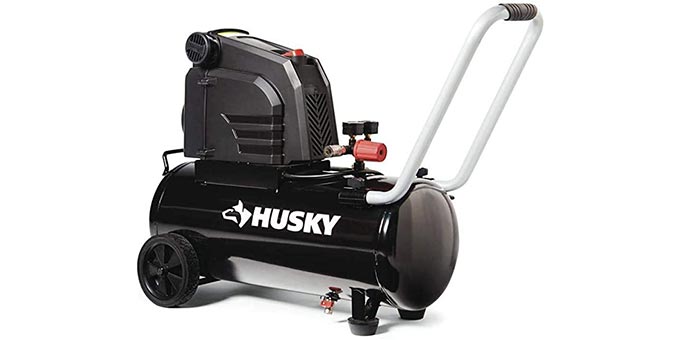
The most common question players ask is whether they can use their garage air compressor to fill paintball tanks. The answer requires understanding pressure requirements and safety implications.
Pressure Requirements: The Math Behind the Problem
Why Standard Compressors Don’t Work:
- Paintball Tank Pressure: 3000-4500 PSI required
- Shop Air Compressor: 150 PSI maximum (some specialized reach 250-500 PSI)
- Car Tire Compressor: 100-130 PSI typical output
- Result: You could fill a paintball tank to 150 PSI and get approximately 5 shots maximum
You cannot fill either CO2 or HPA tanks with your garage air compressor. You need something that has a minimum output of around 3000 PSI to get this tank to its full capacity.
What Happens If You Try
Players attempting to use standard compressors experience:
- Insufficient Pressure: Tank only partially fills to compressor’s maximum PSI
- Extremely Limited Shots: 5-10 shots maximum before empty
- Waste of Time: Hours of filling for minutes of play
- Potential Safety Issues: Overstressing low-pressure equipment
Understanding Paintball Tank Types: CO2 vs HPA vs Nitrogen
Before attempting any filling, you must identify your tank type. You cannot fill CO2 in your HPA tank or vice versa. Both tanks are made different and work differently.
CO2 Tanks (Carbon Dioxide)
CO2 is the most common and oldest type of paintball tank, especially for rentals, because these tanks are easy to find and far less expensive.
How CO2 Works:
- Storage: You’re filling CO2 tanks with liquid CO2
- Operation: Liquid gas works by transforming into gas when you shoot
- Pressure: Typically 800-1000 PSI output pressure
- Temperature Dependency: Performance varies significantly with weather
CO2 Disadvantages:
- Inconsistent fire rate due to liquid-to-gas transformation
- Faster shooting causes frost/freeze from the barrel end
- Can’t run CO2 on tournament guns – it freezes solenoids and causes broken parts
- “Frosting of the gun” leads to inconsistent velocity
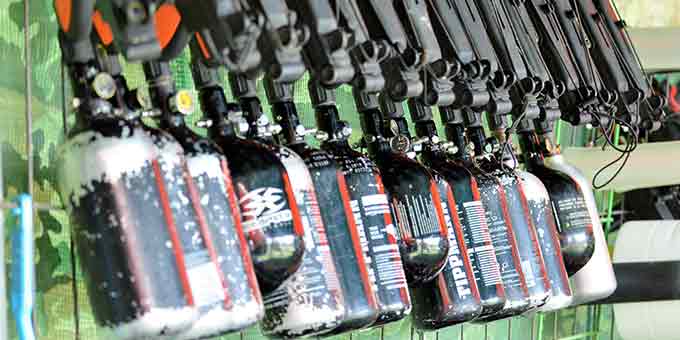
HPA Tanks (High Pressure Air/Compressed Air)
HPA is getting more popular day by day, with more upcoming paintball guns compatible only with HPA tanks.
How HPA Works:
- Content: Simply the air available all around you, filled in compressed form
- Pressure: 3000 PSI or 4500 PSI maximum
- Output: Regulated to 750-850 PSI for gun operation
- Consistency: No transformation from liquid to gas gives more consistent fire rate
HPA Advantages:
- Consistent performance regardless of temperature
- More shots per fill compared to CO2
- Compatible with modern electronic markers
- No freezing or frosting issues
- Faster sustained fire rates possible
Tank Pressure Ratings and Regulators
Critical Safety Requirement: A 3000 PSI air tank needs a 3000 PSI regulator, and a 4500 PSI tank needs a 4500 PSI regulator. DO NOT PUT a 3000 PSI regulator on a 4500 tank or a 4500 PSI regulator on a 3000 PSI tank.
Why This Matters: You are risking severe personal injury. The regulator has safety burst discs that rupture when pressure is exceeded. Using the wrong regulator means wrong pressure safety burst disks.
| Tank Type | Max Pressure | Common Sizes | Best For |
|---|---|---|---|
| Aluminum 3000 PSI | 3000 PSI | 48ci, 68ci | Budget-conscious players |
| Carbon Fiber 4500 PSI | 4500 PSI | 48ci, 68ci, 77ci, 88ci | Serious players |
| CO2 | Variable by temp | 9oz, 12oz, 16oz, 20oz | Rental/casual use |
What Equipment Do You Actually Need to Fill Paintball Tanks?
High-Pressure Compressors (3000+ PSI)
These are the only compressors capable of properly filling paintball tanks:
Paintball-Specific Compressors
- Max-Air ML-1400: Popular 4500 PSI paintball compressor
- Bauer Compressors: Professional-grade, expensive but reliable
- Nuvair Systems: Industrial compressed air stations
- Cost: $2,000-15,000+ for new units
PCP Air Rifle Compressors (Alternative Option)
- Yong Heng 4500 PSI: ~$300, popular among users
- Air Venturi Nomad II: Portable, 4500 PSI capability
- Advantage: Much cheaper than paintball-specific units
- Limitation: Slower fill times, more maintenance
Alternative Filling Methods
Most players use these practical alternatives to owning a high-pressure compressor:
Scuba Tank Method
If you have a scuba tank at home, you can use it to fill your HPA paintball tanks. A scuba tank holds anywhere from 2400 to 3000 PSI of air pressure.
Requirements:
- Scuba tank (2400-3000 PSI)
- Fill station adapter (~$40-60)
- Professional scuba tank refills ($5-15 each)
Limitations: Most scuba tanks are only 3000 PSI and cannot fully fill a 4500 PSI paintball tank. It will however get you ¾ full and still work.
Paintball Shop/Field Filling
Any nearby paintball equipment supplier or paintball arena should be a good bet. These shops have safe equipment to fill compressed air tanks whereas some will fill them even for free.
Typical Costs:
- $3-8 per fill at paintball shops
- Free fills with field fee at some locations
- Bulk fill packages available
Step-by-Step Tank Filling Procedure
Whether using a paintball shop, scuba tank setup, or high-pressure compressor, the filling process follows these critical steps:
Pre-Fill Safety Inspection
Never Skip This Step:
- Check Hydro Test Date: Every bottle has a stamp indicating manufacture date and must be inspected every 5 years until maximum allowable age
- Visual Inspection: Inspect before each use for cracks, dents, gouges, or fire damage
- Thread Condition: Ensure threads on the regulator are clean and free of damage
- O-Ring Check: Verify all seals are present and undamaged
- Safety Equipment: Protective eyewear and gloves are essential
Tank Filling Steps
Step 1: Identify Maximum Tank Pressure
- Your tank should indicate the amount of PSI it should have. The maximum is about 4500 PSI, and it’s ideal to never go beyond that
- Never exceed the stamped pressure rating
- Account for temperature effects on final pressure
Step 2: Connect to Fill Station
- Look for the O-ring that prevents air from escaping. If you can’t find that ring, the tank can’t be filled
- Pull back the attachment collar to expose the central needle. Plug it into the tank through its filling nipple
- Ensure secure, firm connection before proceeding
Step 3: Fill Slowly and Monitor
Critical: Avoid “Hot Fills”
Don’t hold buttons or push levers continuously. You want to fill paintball air tanks slowly instead of rapidly.
Why Slow Filling Matters:
- A “hot fill” happens when you blast air into the tank rapidly, causing the gauge to rise quickly
- Hot fills appear to fill the tank, but after disconnection the gauge drops back down even if you aren’t using it
- You run the risk of the tank being empty 15 minutes after topping it up
Step 4: Monitor Both Gauges
- Watch both the tank gauge and compressor gauge during filling to countercheck functionality
- Both gauges should move similarly to indicate they’re working correctly
- Stop at recommended pressure, not maximum gauge reading
Step 5: Safely Disconnect
- Release pressure from the fill line using the release valve – don’t be surprised if it makes a loud sound
- If you don’t release pressure, air is still moving through the hose when you disconnect, which could damage the tank
- Remove connection carefully and store equipment properly
Critical Safety Requirements and Hazards
High-Pressure System Dangers
One serious risk with compressed air tanks is that compressed air can be explosive. One of the worst, most dangerous things you can do is put any flammable substance near the filling area.
Never Do These Things:
- No Smoking or Flames: Keep all ignition sources away from filling area
- No Oil or Grease: Oil in air compressors mixes with dispensed air and builds up in guns over time
- No Overfilling: Exceeding rated pressure can cause catastrophic failure
- No Force: Be gentle, air systems should mount easily to the marker. Never use force!
- No Expired Tanks: Never attempt to fill a bottle that requires recertification
- No Breathing Tank Air: Compressed air for paintball should not be used as breathing air because the compression process can introduce harmful chemicals
Tank Certification and Testing
Because paintball compressed air tanks hold compressed air, proper maintenance is an issue of safety. Failure to safely maintain your compressed air bottle can cause destructive failure at any given moment.
Hydrostatic Testing Requirements:
- Aluminum Tanks: Test every 5 years
- Carbon Fiber Tanks: Test every 5 years, 15-year maximum life
- Cost: $15-40 per test
- Availability: Paintball shops, dive shops, fire equipment suppliers
Proper Storage and Handling
It is important to take the tank off your gun and store both items separately. If you leave the CO2 tank on your gun, it will cause serious problems and damage the gun overall.
Storage Best Practices:
- Don’t leave tanks overfilled, but don’t leave them empty either. 1000 PSI will do the trick
- Store in cool, dry location away from heat sources
- Protect threads and connections from damage
- Keep tanks upright when possible
Cost Analysis: Home Setup vs Shop Filling
Shop Filling Costs
| Frequency | Cost Per Fill | Annual Cost | Best For |
|---|---|---|---|
| Casual (1x/month) | $5-8 | $60-96 | Occasional players |
| Regular (2x/month) | $5-8 | $120-192 | Weekend warriors |
| Serious (1x/week) | $5-8 | $260-416 | Consider home setup |
| Tournament (2+/week) | $5-8 | $520-832 | Home setup essential |
Home Setup Options and Costs
Scuba Tank Setup (Most Practical)
- Used Scuba Tank: $100-300
- Fill Station Adapter: $40-60
- Professional Refills: $5-15 each
- Total Initial Cost: $140-360
- Break-Even: 20-50 fills vs shop pricing
High-Pressure Compressor Setup
- Yong Heng 4500 PSI: $300-400
- Water Cooling Setup: $50-100
- Filters and Maintenance: $100/year
- Total Initial Cost: $450-600
- Break-Even: 60-100 fills vs shop pricing
Professional Compressor Setup
- Max-Air or Bauer Unit: $3,000-8,000
- Installation and Setup: $500-1,500
- Annual Maintenance: $200-500
- Best For: Commercial operations, serious teams
Troubleshooting Common Problems
Problem: Tank Won’t Accept Air
Possible Causes and Solutions:
- Missing O-Ring: If you can’t find the O-ring, the tank can’t be filled – air shoots right through
- Damaged Threads: Cross-threading prevents proper seal
- Fill Nipple Blockage: Debris or damage blocks air entry
- Regulator Issues: Internal regulator failure
Problem: Tank Empties Quickly After Filling
Most Common Cause – Hot Fill:
Hot fills appear to fill the tank completely, but the air gets hot, and after disconnection the gauge drops back down even if you aren’t using it.
Other Possible Causes:
- Leaking connections: Check all fittings and seals
- Regulator problems: Internal leakage through regulator
- Tank damage: Microscopic cracks or seal failure
Problem: Inconsistent Gun Performance
CO2-Related Issues:
- Faster shooting causes more frost/freeze from the barrel
- Temperature causes liquid-to-gas transformation problems
- Solution: Switch to HPA system for consistent performance
HPA-Related Issues:
- Wrong regulator pressure: Check output PSI setting
- Low tank pressure: Refill when pressure drops below working range
- Oil buildup from compressor air affects gun performance
Best Paintball Tanks for Different Player Types
Budget-Conscious Players
HK Army Aluminum 48/3000 Tank
- Capacity: 48 cubic inches at 3000 PSI
- Output: 800 PSI regulated
- Shots: ~10 shots per cubic inch (480 total)
- Features: Fill gauge, reliable regulator
- Best For: Small investment for beginners wanting compressed air
Check Price on Amazon
Serious Players
Ninja Lite Carbon Fiber 68/4500 Tank
- Capacity: 68 cubic inches at 4500 PSI
- Construction: Made in USA with carbon fiber finish that looks as good as it performs
- Shots: 50% more shots than 3000 PSI equivalent
- Weight: Lighter than aluminum despite higher capacity
- Customization: Available in various colors from deep red to metallic blue
Check Price on Amazon
Tournament Players
Empire Mega Lite 88/4500 Tank
- Capacity: 88 cubic inches at 4500 PSI
- Testing: 5-year retest cycle, meaning you only get it hydrotested every 5 years
- Maximum Shots: Highest capacity for longest play sessions
- Colors: Available in many colors for team customization
Check Price on Amazon
Fill Station Accessories and Equipment
Essential Accessories for Home Filling
Scuba Tank Fill Adapters
- Basic Fill Station: $40-60 for paintball HPA adapter
- Professional Models: $100-200 with gauges and safety features
- Compatibility: Check thread types for your specific tanks
Shop Fill Adapters
Safety Equipment
- Safety Glasses: Protective eyewear essential for high-pressure work
- Work Gloves: Protect hands during tank handling
- Pressure Gauges: Monitor fill pressure accurately
- Burst Disks: Replacement safety components
Maintenance Supplies
- O-Ring Kits: Replace worn seals
- Thread Lubricant: Food-grade only for air systems
- Cleaning Supplies: Keep connections clean and functional
- Storage Caps: Protect threads during storage
Frequently Asked Questions
Can I use my shop air compressor to fill paintball tanks?
No. You cannot fill paintball tanks with your garage air compressor. You need something that has a minimum output of around 3000 PSI to get the tank to full capacity. Your average shop compressor only goes to 150 PSI, which would give you approximately 5 shots maximum.
What’s the difference between 3000 PSI and 4500 PSI tanks?
4500 PSI tanks get significantly more shots per fill than 3000 PSI tanks – over 50% more shots based on pressure alone. No professional or serious player uses 3000 PSI – think of it as a stepping stone to 4500 PSI.
Can I switch between CO2 and HPA tanks on the same gun?
No. You can’t use an HPA tank on a gun with CO2 markers, or you run the risk of damaging the paintball gun. Filling tanks with the wrong type of gas can cause damage to the tank and problems for your gun, and puts your safety in danger.
How often do paintball tanks need testing?
Every bottle must be inspected and certified every 5 years until it reaches maximum allowable age. Empire tanks have a 5-year retest cycle. Carbon fiber tanks typically have a 15-year maximum life.
Is it safe to fill paintball tanks at home?
Yes, if you have proper equipment and follow safety procedures. Compressed air can be explosive, so never put flammable substances near the filling area. Safety equipment including protective eyewear and gloves is essential. Never attempt to fill expired or damaged tanks.
Why does my tank empty quickly after filling?
The most common cause is a “hot fill.” Hot fills appear to fill the tank, but the air gets hot, and after disconnection the gauge drops back down even if you aren’t using it. Always fill slowly and allow air to cool before disconnecting.
Should I store tanks with air or empty them?
Don’t fill tanks to full capacity for storage, but don’t leave them empty either. 1000 PSI will do the trick. Always take the tank off your gun and store both items separately.
Can I breathe from a paintball tank in an emergency?
No. Compressed air for paintball tanks should not be used as breathing air because the compression process can introduce chemicals that are harmful to humans. Paintball shops don’t use the expensive filters required for breathing air.
Legal and Regulatory Considerations
Transportation Regulations
- Air Travel: All bottles must be disassembled for travel and packed in carry-on luggage
- Shipping: Air tanks must be empty before they are shipped anywhere
- Local Laws: In some places, cleaning with compressed air is illegal (primarily certain areas in Canada)
Certification Requirements
- DOT Certification: Required for all paintball tanks
- Hydrostatic Testing: Compressors should be hydrotested every few years
- Professional Testing: Only certified facilities can perform hydro tests
- Record Keeping: Maintain documentation of all testing
Conclusion: Safe, Effective Paintball Tank Filling
Filling paintball tanks safely requires understanding pressure requirements, using proper equipment, and following established safety procedures. The key takeaways:
Equipment Reality Check
- Regular compressors won’t work: 150 PSI shop compressors give approximately 5 shots maximum
- High-pressure equipment required: 3000-4500 PSI minimum for proper filling
- Professional alternatives available: Shop filling, scuba tank setups, specialized compressors
Safety Is Non-Negotiable
- High-pressure dangers: Compressed air can be explosive
- Proper inspection required: Never fill bottles requiring recertification
- Correct procedures matter: Hot fills and improper handling cause problems
- Professional help available: When in doubt, use paintball shop services
Cost-Effective Solutions
- Occasional players: Shop filling most economical ($60-100/year)
- Regular players: Scuba tank setup breaks even at 30-50 fills
- Serious players: High-pressure compressor investment worthwhile
- Teams/commercial: Professional equipment pays for itself
Ready to Upgrade Your Paintball Air System?
Start with a quality HPA tank that will serve you for years and provide consistent performance on the field.
Whether you’re a weekend warrior or tournament competitor, understanding paintball tank filling keeps you safe and ensures maximum performance from your equipment. Filling your HPA tank is one of the easiest things involved in the paintball journey once you get familiar with the equipment you’re dealing with.
Remember: when in doubt, use professional filling services. The small cost of shop fills is insignificant compared to the potential consequences of improper high-pressure system handling. Stay safe, follow procedures, and keep your game strong.