
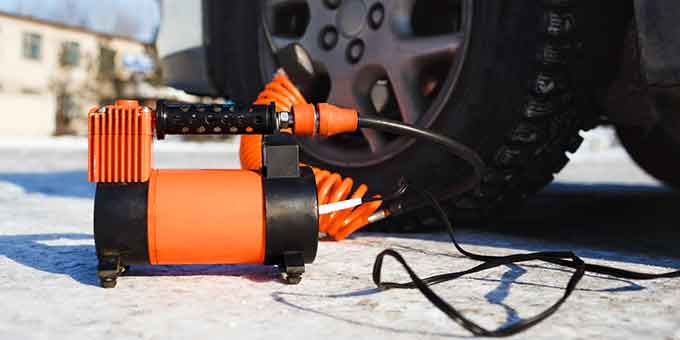
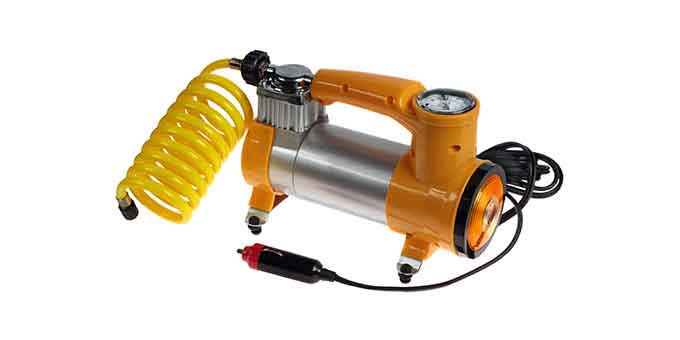
A flat tire can turn a perfect day into a roadside nightmare – unless you have the right air compressor for your car. Modern portable car air compressors have evolved from weak, slow inflators into powerful, efficient tools that can fully inflate a tire in minutes. Whether you’re dealing with a slow leak, seasonal pressure changes, or need to air down for off-road adventures, having a quality car air compressor means you’re always prepared.
Today’s car air compressors range from compact glovebox models under $30 to professional-grade units over $200 that can handle truck tires and power tools. But with hundreds of options claiming to be the “fastest” or “most powerful,” choosing the right air compressor for your car requires understanding what actually matters: CFM output, duty cycle, accuracy, and real-world performance.
This comprehensive guide covers everything from 12V limitations to digital vs analog gauges, plus our tested recommendations for the best air compressors for cars available in 2025.
Why Every Car Needs an Air Compressor
Beyond emergency flat repairs, a quality car air compressor serves multiple purposes:
- Maintain Proper Tire Pressure: Improves fuel economy by up to 3% and extends tire life
- Seasonal Adjustments: Temperature changes affect pressure by 1-2 PSI per 10°F
- Load Compensation: Adjust pressure when towing or carrying heavy loads
- Off-Road Flexibility: Air down for traction, re-inflate for highway driving
- Emergency Preparedness: Fix slow leaks until proper repair is possible
- Multi-Purpose Use: Inflate sports equipment, air mattresses, and toys
Studies show that 54% of vehicles on the road have at least one underinflated tire, costing drivers billions in wasted fuel and premature tire wear. A car air compressor pays for itself through improved efficiency and safety.
Types of Air Compressors for Cars
| Type | Power Source | Best For | Limitations |
|---|---|---|---|
| 12V Plug-In | Cigarette lighter | Cars, small SUVs | Limited to 10-15 amps |
| Direct Battery | Battery clamps | Trucks, RVs, off-road | Requires hood access |
| Cordless Battery | Rechargeable lithium | All vehicles | Limited runtime |
| Dual Power | 12V + AC/Battery | Maximum versatility | Higher cost |
Top 10 Best Air Compressors for Cars in 2025
1. Viair 88P – Best Overall Car Air Compressor
The gold standard for 12V car air compressors – unmatched speed and reliability.
The Viair 88P consistently tops professional reviews for good reason. This powerhouse can inflate a completely flat 235/55R19 tire to 35 PSI in under 5 minutes – faster than any other 12V compressor we’ve tested. Built for serious use with a 45-minute duty cycle at 30 PSI, it’s the choice of off-roaders, RV owners, and anyone who values performance over convenience features.
Technical Specifications:
- Power Source: 12V DC direct battery connection
- Max PSI: 120 PSI
- Flow Rate: 1.47 CFM @ 0 PSI
- Duty Cycle: 45 minutes @ 30 PSI
- Hose Length: 16 feet with screw-on chuck
- Power Cord: 10 feet with alligator clamps
- Weight: 4.5 pounds
PROS:
| CONS:
|
Check Price on Amazon
2. DEWALT 20V MAX (DCC020IB) – Best Cordless Car Air Compressor
Professional-grade cordless freedom with triple power options.
The DEWALT DCC020IB revolutionizes portable inflation with true cordless capability. Using DEWALT’s 20V MAX battery system, it can also run on AC power or 12V DC, making it the most versatile option available. The digital gauge with auto-shutoff ensures perfect inflation every time, while the high-volume output handles everything from car tires to air mattresses.
Technical Specifications:
- Power Options: 20V battery, 120V AC, 12V DC
- Max PSI: 160 PSI
- Tank Capacity: 2.5 gallons
- Digital Gauge: ±1 PSI accuracy
- Runtime: ~15 car tires per 5.0Ah battery
- Weight: 13 pounds (without battery)
- Features: Auto-shutoff, LED light
PROS:
| CONS:
|
Check Price on Amazon
3. AstroAI Cordless Tire Inflator – Best Value Cordless
Drill-style design meets impressive performance at a budget-friendly price.
The AstroAI Cordless combines the ergonomics of a power drill with serious inflation capability. Its 20V battery with USB charging port adds emergency phone charging capability, while the dual power option (battery or 12V) ensures you’re never stranded. At under $90, it offers premium features without the premium price tag.
Technical Specifications:
- Power Source: 20V Li-ion battery + 12V DC
- Max PSI: 160 PSI
- Accuracy: ±1.5 PSI
- Battery: 2000mAh with USB output
- Display: Digital with backlight
- Weight: 2.2 pounds
- Features: Auto-shutoff, LED light
PROS:
| CONS:
|
Check Price on Amazon
4. Slime 40051 Digital Tire Inflator – Best Budget Option
“Nothing fancy” but everything you need for reliable tire inflation.
Slime’s straightforward approach delivers surprising value. While it may feel less substantial than premium models, its performance matches units costing twice as much. The 10-foot cord reaches all tires easily, bright LED illuminates dark wheel wells, and the digital gauge ensures accuracy. Perfect for drivers who want reliable inflation without breaking the bank.
Technical Specifications:
- Power Source: 12V DC cigarette lighter
- Max PSI: 100 PSI
- Cord Length: 10 feet
- Hose Length: 2 feet
- Display: Digital LED
- Weight: 1.5 pounds
- Includes: Multiple nozzle adapters
PROS:
| CONS:
|
Check Price on Amazon
5. Craftsman V20 (CMCE520B) – Best Compact Cordless
Ultra-compact design that fits in your glove box but packs surprising power.
Don’t let its TV remote size fool you – the Craftsman V20 impressed testers by fully inflating car tires despite its diminutive size. The crystal-clear LED display, preset modes, and auto-shutoff make operation foolproof. While louder than expected and slower than larger units, its true portability makes it perfect for emergency kits.
Technical Specifications:
- Power Source: V20 battery + 12V DC
- Max PSI: 150 PSI
- Display: High-contrast LED
- Presets: Car, bike, sports, custom
- Size: 7.5″ x 3″ x 5″
- Weight: 1.8 pounds
- Runtime: 2-3 tires per charge
PROS:
| CONS:
|
Check Price on Amazon
6. Avid Power Cordless Inflator – Best Ergonomic Design
Drill-inspired ergonomics make tire inflation comfortable and controlled.
The Avid Power’s drill-style grip provides superior control and comfort during use. The detachable 20V battery slides off for easy charging, while the digital display (though harder to read at angles) provides accurate pressure readings. With fast inflation and solid construction, it’s a favorite among users who value comfort during extended use.
Technical Specifications:
- Power Source: 20V detachable battery
- Max PSI: 150 PSI
- Accuracy: ±2 PSI
- Display: Blue backlit digital
- Included: 3 nozzles, carrying case
- Weight: 2.5 pounds
- Features: LED light, auto-shutoff
PROS:
| CONS:
|
Check Price on Amazon
7. Fanttik X8 Apex – Best Premium Features
Premium features and build quality for those who want the best.
The Fanttik X8 Apex justifies its higher price with exceptional features. The dual-cylinder design delivers rapid inflation, while the large LCD screen displays real-time and preset pressures simultaneously. With precision accuracy, quiet operation, and premium materials throughout, it’s the choice for discerning buyers who value quality.
Technical Specifications:
- Power Source: Built-in battery + 12V DC
- Max PSI: 150 PSI
- Inflation Speed: 35% faster than single cylinder
- Display: Large LCD with dual readings
- Accuracy: ±1 PSI
- Noise Level: 75 dB (quieter than most)
- Weight: 2.8 pounds
PROS:
| CONS:
|
Check Price on Amazon
8. Airmoto Tire Inflator – Best Pocket-Sized Option
The size of a Hot Pocket with life-saving capability.
The Airmoto proves that good things come in small packages. Despite being small enough to forget it’s in your glove box, it can inflate car tires at about 3 PSI per minute. The USB-C charging means you can top it off using your phone charger, and the auto-shutoff prevents overinflation. Perfect for emergencies and space-conscious drivers.
Technical Specifications:
- Power Source: Built-in battery, USB-C charging
- Max PSI: 120 PSI
- Inflation Rate: ~3 PSI/minute
- Size: 2.5″ x 1.8″ x 5″
- Weight: 1.2 pounds
- Display: Digital with presets
- Includes: Multiple valve adapters
PROS:
| CONS:
|
Check Price on Amazon
9. Amazon Basics Portable Air Compressor – Best Simple Design
No-frills reliability at a rock-bottom price.
Amazon Basics strips away extras to deliver pure functionality. This direct-battery connection unit inflates car tires in under 90 seconds – impressive for the price. While the alligator clip connection isn’t as convenient as 12V plugs, the performance rivals units costing three times more. Includes a storage bag and basic accessories.
Technical Specifications:
- Power Source: Direct battery clamps
- Max PSI: 120 PSI
- Inflation Speed: <90 seconds for car tire
- Cord Length: 11.5 feet
- Gauge Type: Analog
- Weight: 3.8 pounds
- Includes: Storage bag, adapters
PROS:
| CONS:
|
Check Price on Amazon
10. Ryobi ONE+ P737D – Best for Tool System Users
Perfect integration with Ryobi’s extensive 18V tool ecosystem.
If you already own Ryobi tools, this inflator is a no-brainer. It shares batteries with over 280 ONE+ tools, holds its charge for months when stored, and delivers accurate inflation with its digital gauge. While slower than dedicated units and limited to lighter duty, it’s perfect for maintaining tire pressure across your vehicle fleet.
Technical Specifications:
- Power Source: 18V ONE+ battery system
- Max PSI: 150 PSI
- Inflation Rate: 10 PSI in 1.5 minutes
- Display: Digital PSI reader
- Runtime: Multiple tires per charge
- Weight: 3.5 pounds (without battery)
- Compatibility: All ONE+ batteries
PROS:
| CONS:
|
Check Price on Amazon
Car Air Compressor Buyer’s Guide
1. Understanding Power Source Options
Choose based on your vehicle and usage patterns:
| Power Type | Pros | Cons |
|---|---|---|
| 12V Cigarette Lighter | Convenient, no battery needed | Limited to 10-15A, slower |
| Direct Battery Clamps | Maximum power, fastest inflation | Requires hood access |
| Cordless Battery | True portability, multi-vehicle use | Needs charging, higher cost |
| Dual/Triple Power | Maximum versatility | Most expensive option |
Note: Most cigarette lighters are fused at 10-15 amps, limiting compressor power
2. Key Performance Metrics
- PSI (Pounds per Square Inch): Most car tires need 32-35 PSI; trucks may need 80+ PSI
- CFM (Cubic Feet per Minute): Higher CFM = faster inflation
- Duty Cycle: Percentage of time unit can run without overheating
- Inflation Speed: Time to inflate from 0 to 35 PSI (typically 3-8 minutes)
3. Digital vs Analog Gauges
Understanding gauge types and accuracy:
- Digital Gauges: ±1-2 PSI accuracy, auto-shutoff capability, easier to read
- Analog Gauges: ±3-4 PSI accuracy, no batteries needed, classic reliability
- Preset Function: Set desired PSI and walk away – prevents over-inflation
- Real-time Display: Shows current pressure while inflating
Tip: Always verify with a quality tire pressure gauge for critical applications
4. Essential Features to Consider
| Feature | Importance | What to Look For |
|---|---|---|
| Auto-Shutoff | High | Stops at preset PSI |
| LED Light | High | Bright, aimed at valve |
| Cord/Hose Length | Medium | 10+ ft cord, 2+ ft hose |
| Storage Case | Medium | Protects unit and accessories |
| Multiple Nozzles | Low | Sports, inflatables, bikes |
5. Vehicle-Specific Considerations
Match your compressor to your vehicle type:
- Passenger Cars: Any 100+ PSI unit with 12V power works fine
- SUVs/Crossovers: Look for 120+ PSI and faster inflation
- Trucks/RVs: Need 150+ PSI, consider direct battery connection
- Sports Cars: Compact units fit limited trunk space
- Electric Vehicles: Cordless preferred to preserve 12V battery
How to Use a Car Air Compressor Safely
Step-by-Step Guide:
- Check Recommended PSI: Find it on driver’s door jamb or owner’s manual
- Test Current Pressure: Use gauge when tires are cold
- Connect Power Source: Start engine for 12V units
- Attach Air Chuck: Push firmly onto valve stem
- Set Desired Pressure: Use preset function if available
- Monitor Progress: Watch gauge and listen for auto-shutoff
- Check All Tires: Including spare if accessible
- Store Properly: Let unit cool before storing
Safety Warnings:
- Never exceed tire’s maximum PSI rating
- Allow compressor to cool every 10-15 minutes
- Keep away from moving engine parts
- Don’t leave running unattended
- Check hose condition before each use
Maintenance Tips for Car Air Compressors
Regular Maintenance:
- Clean air filter monthly (if equipped)
- Check power cord for damage
- Test accuracy with known gauge
- Lubricate chuck mechanism
- Inspect hose for cracks or wear
Storage Best Practices:
- Store in provided case or bag
- Keep in cool, dry location
- Avoid extreme temperatures
- Coil cords loosely to prevent damage
- Charge batteries every 3 months
Troubleshooting Common Issues:
- Slow inflation: Check for leaks, clean filter
- Won’t start: Verify power connection, check fuse
- Overheating: Allow cool-down period, check ventilation
- Inaccurate readings: Calibrate or replace gauge
Car Air Compressor Accessories
| Accessory | Purpose | Worth Having? |
|---|---|---|
| Extension Hose | Reach difficult valves | Yes – essential for some vehicles |
| Tire Pressure Gauge | Verify accuracy | Yes – built-in gauges vary |
| Valve Stem Caps | Prevent air loss | Yes – often lost |
| Presta Adapter | Bike tire compatibility | If you cycle |
| Carrying Case | Protection and organization | Yes – prevents damage |
Frequently Asked Questions
Can I use a car air compressor on truck tires?
It depends on the compressor and tire size. Most car compressors max out at 100-150 PSI, while large truck tires may need 80-110 PSI. The issue isn’t maximum pressure but inflation speed – truck tires have much larger volume. Look for high CFM output and direct battery connection models for trucks.
How often should I check my tire pressure?
Check tire pressure at least monthly and before long trips. Temperature changes affect pressure significantly – tires lose about 1-2 PSI for every 10°F drop. Check when tires are cold for accurate readings, as driving heats tires and increases pressure temporarily.
Why do cordless compressors cost more than 12V models?
Cordless units include expensive lithium-ion batteries, sophisticated charging circuits, and battery management systems. They also offer convenience and versatility that 12V models can’t match. The higher initial cost often pays off through increased usage and convenience.
Can I use a car air compressor for other tasks?
Yes! Most include adapters for sports equipment, pool toys, and air mattresses. However, they’re not suitable for air tools like impact wrenches or paint sprayers, which require much higher CFM than portable compressors provide.
How long do car air compressors last?
Quality units last 5-10 years with proper care. Duty cycle matters – running continuously without cooling breaks shortens lifespan dramatically. Store properly, keep clean, and follow manufacturer guidelines for best longevity.
Is it safe to leave an air compressor in my car year-round?
Generally yes, but extreme temperatures affect performance and lifespan. Lithium batteries suffer in extreme cold or heat. Store cordless models inside during temperature extremes. 12V models are more temperature tolerant but check manufacturer specifications.