Home » Products Review » Best Air Hammers 2025 – Professional Guide & Top Picks
Best Air Hammers 2025 – Professional Guide & Top Picks
Facebook
Twitter
LinkedIn
WhatsApp
Facebook
Twitter
LinkedIn
WhatsApp
When brute force meets precision control, you get an air hammer. These pneumatic powerhouses deliver concentrated impact force that makes quick work of frozen bolts, stubborn bearings, and seized suspension components. Think of them as miniature jackhammers that fit in your palm – delivering thousands of controlled blows per minute exactly where you need them.
Whether you’re breaking free rusted exhaust systems, removing ball joints, or chipping concrete, the right air hammer transforms hours of manual labor into minutes of efficient work. But with options ranging from light-duty models at $30 to industrial beasts over $500, choosing the right tool requires understanding your needs and the available options.
This comprehensive guide covers everything from basic operation to professional techniques, plus our tested recommendations for the best air hammers available in 2025.
How Does an Air Hammer Work?
An air hammer (also called an air chisel or pneumatic hammer) uses compressed air to drive an internal piston that delivers rapid, powerful impacts to various chisel attachments. Unlike electric tools that rely on motors, air hammers harness pneumatic pressure to create linear striking force – similar to how a jackhammer operates but in a handheld format.
The key components include:
Piston Chamber: Where compressed air drives the striking piston
Valve System: Controls air flow and impact frequency
Trigger Mechanism: Provides variable speed control
Chisel Retainer: Holds various bits securely during operation
Exhaust Ports: Direct spent air away from the work area
When you squeeze the trigger, compressed air enters the chamber, driving the piston forward to strike the chisel. The piston then retracts, and the cycle repeats thousands of times per minute, creating the characteristic hammering action.
Common Air Hammer Applications
Application
Typical Tasks
Required Power Level
Automotive
Exhaust removal, ball joints, wheel bearings
Medium to Heavy
Body Work
Panel cutting, spot weld removal, rust removal
Light to Medium
Construction
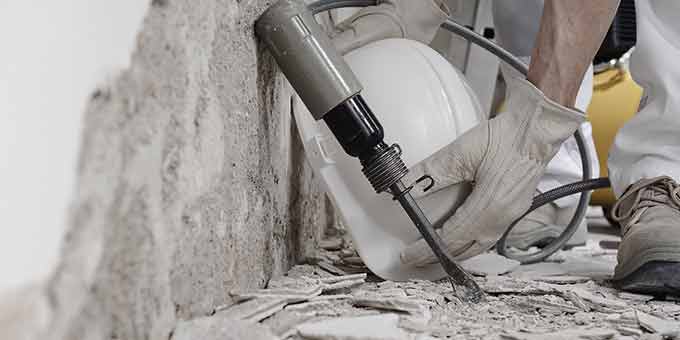
Concrete chipping, tile removal, masonry work
Heavy to Super Heavy
Metal Fabrication
Rivet removal, metal shaping, weld cleaning
Medium
Heavy Equipment
King pins, walking beams, large bushings
Super Heavy Duty
Top 6 Best Air Hammers for 2025
1. Ingersoll Rand 114GQC – Best Overall Standard Duty
The perfect balance of power, control, and value for most automotive work.
The Ingersoll Rand 114GQC delivers professional performance at a reasonable price point. With 3,500 BPM and a 2-5/8″ stroke, it handles everything from exhaust work to panel cutting with ease. The quick-change retainer and included 3-piece chisel set make it ready to work right out of the box.
2. Chicago Pneumatic CP717 – Best Super Heavy Duty
The undisputed heavyweight champion of air hammers – when nothing else will do.
The Chicago Pneumatic CP717 is legendary among professionals for its raw power. With 1,800 BPM delivered through a 0.498″ shank, this beast demolishes the toughest jobs. Perfect for heavy truck work, equipment repair, and situations where other hammers have failed.
Technical Specifications:
Blows Per Minute: 1,800 BPM (but much harder hitting)
Professional performance at a contractor-friendly price.
DEWALT brings their signature durability to the air hammer market with the DWMT70785. This medium-duty workhorse delivers 2,600 BPM through a comfortable, vibration-dampening design that reduces fatigue during extended use.
Surprising quality at an entry-level price for occasional users.
The Astro Pneumatic 4980 proves you don’t need to spend hundreds for decent air hammer performance. With 3,000 BPM and a 5-piece chisel set included, it’s perfect for DIYers and professionals who need a backup tool.
Extended reach for deep access work without sacrificing power.
The Sunex SX243 features an extra-long barrel design perfect for reaching into tight spaces. With 2,100 BPM and professional-grade construction, it’s ideal for suspension work and hard-to-reach fasteners.
Advanced vibration reduction technology for all-day comfort.
The AIRCAT 5200-A-T incorporates patented anti-vibration technology that reduces user fatigue by up to 40%. With 2,000 BPM and precision control, it’s perfect for professionals who use air hammers daily.
BPM (Blows Per Minute): Higher isn’t always better. While 3,000-4,000 BPM tools work faster on light materials, heavy-duty applications often benefit from slower, harder-hitting 1,800-2,500 BPM models.
Stroke Length: Longer strokes (3-5 inches) deliver more impact force but may be harder to control. Shorter strokes (2-3 inches) offer better precision for detail work.
2. Shank Size Compatibility
Shank Size
Common Use
Chisel Availability
0.401 inch
Standard automotive, light to medium duty
Widely available
0.498 inch
Heavy duty, industrial applications
Limited but heavy-duty
0.680 inch
Super heavy duty, specialized
Very limited
3. Air Consumption (CFM Requirements)
Most air hammers require 3-7 CFM at 90 PSI. Ensure your compressor can deliver at least 1.5x the tool’s CFM requirement for consistent performance. Heavy-duty models like the CP717 need substantial air supply (7+ CFM).
4. Trigger Control Types
Positive Action: Variable speed control based on trigger pressure
Feathering: Ultra-fine control for precision work
Touch Control: Sensitive response for delicate operations
Standard: On/off operation with set speed
5. Vibration and Ergonomics
Extended use of air hammers can cause hand-arm vibration syndrome (HAVS). Look for models with:
Vibration-dampening grips
Ergonomic handle designs
Anti-vibration technology
Composite or rubber grips
Essential Air Hammer Accessories
Chisel Type
Primary Use
Recommended For
Flat Chisel
General cutting, scraping
Sheet metal, rust removal
Tapered Punch
Pin removal, alignment
Suspension work, bearings
Panel Cutter
Cutting sheet metal
Auto body work
Ball Joint Separator
Separating ball joints
Suspension repair
Exhaust Chisel
Cutting exhaust pipes
Exhaust system work
Rivet Buster
Removing rivets
Metal fabrication
Safety Guidelines for Air Hammer Operation
Critical Safety Requirements:
Always wear safety glasses – flying debris is common
Use hearing protection – air hammers exceed 90 dB
Wear work gloves – reduces vibration and improves grip
Secure workpiece properly – prevent dangerous movement
Check air pressure – never exceed tool’s maximum PSI
Inspect chisels regularly – replace damaged or mushroomed bits
Maintain proper stance – brace for recoil force
Maintenance Tips for Maximum Lifespan
Daily Maintenance:
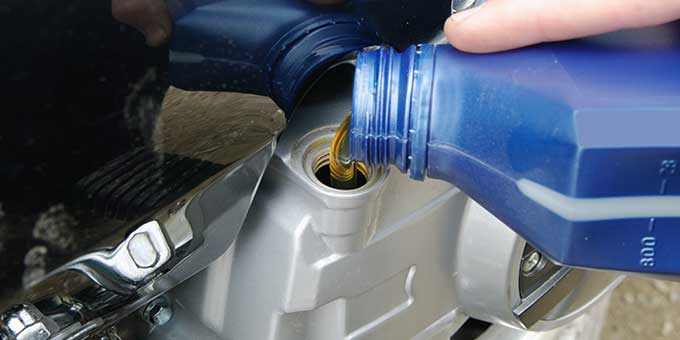
Add 3-4 drops of air tool oil before each use
Clean chisel shanks and retainer
Check for air leaks at connections
Weekly Maintenance:
Disassemble and clean retainer mechanism
Inspect O-rings and seals
Check trigger mechanism operation
Monthly Maintenance:
Deep clean internal components
Replace worn springs or retainers
Test and adjust regulator valve
Frequently Asked Questions
What size air compressor do I need for an air hammer?
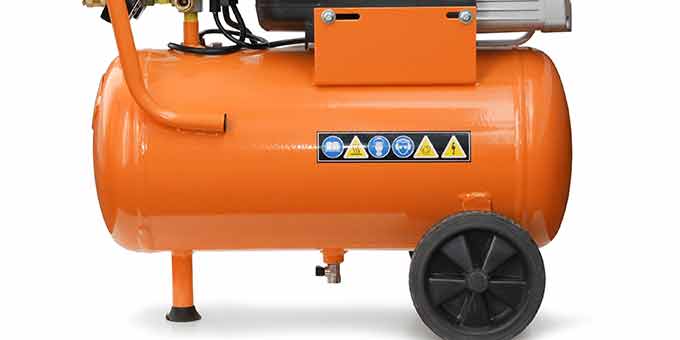
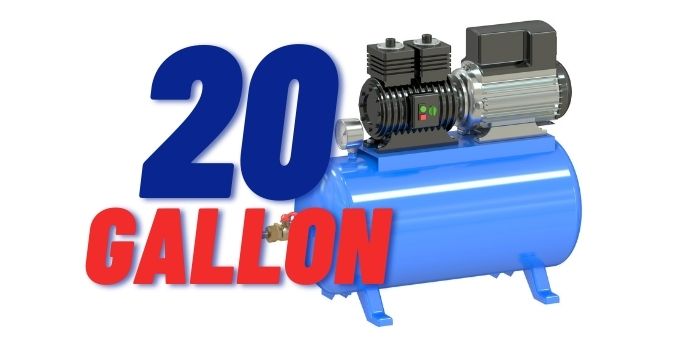
Most standard air hammers require 4-5 CFM at 90 PSI, meaning you’ll need at least a 20-gallon compressor with a 2 HP motor. Heavy-duty models like the CP717 need 7+ CFM, requiring a 30+ gallon compressor.
Can I use regular motor oil in my air hammer?
No, always use pneumatic tool oil specifically designed for air tools. Regular motor oil contains detergents that can damage internal seals and create harmful residue.
Why does my air hammer lose power over time?
Common causes include worn O-rings, dirty internal components, insufficient lubrication, or inadequate air supply. Regular maintenance and proper oiling usually restore full power.
What’s the difference between 0.401″ and 0.498″ shank sizes?
The 0.401″ shank is standard for automotive work and accepts widely available chisels. The 0.498″ shank is for heavy-duty applications, handles more force, and uses specialized heavy-duty bits.
How do I prevent my air hammer from freezing up?
Moisture in compressed air can freeze during rapid expansion. Use an inline moisture trap, drain your compressor tank regularly, and add air tool oil which helps prevent freezing.
Can air hammers be used for concrete work?
Light concrete chipping is possible with heavy-duty models, but dedicated pneumatic or electric concrete breakers are better for extensive concrete work.
Conclusion: Choose the Right Air Hammer for Your Needs
Selecting the right air hammer depends on your specific applications, frequency of use, and available air supply. Here’s our final recommendation breakdown:
For General Automotive Work: The Ingersoll Rand 114GQC offers the best balance of power, features, and value for most users.
For Heavy-Duty Applications: The Chicago Pneumatic CP717 is unmatched when you need maximum power for the toughest jobs.
For Budget-Conscious Buyers: The Astro Pneumatic 4980 provides surprising quality and includes everything needed to get started.
For All-Day Professional Use: The AIRCAT 5200-A-T’s anti-vibration technology reduces fatigue during extended operation.
Remember that an air hammer is only as good as the compressor powering it. Ensure your air supply can meet the tool’s CFM requirements, invest in quality chisels for your specific applications, and always prioritize safety with proper PPE.
With the right air hammer in your arsenal, you’ll turn frustrating seized fasteners and stubborn components into quick, manageable tasks. Choose wisely based on your needs, maintain your tool properly, and it will serve you reliably for years to come.
Daniel Lewis
Live in Chicago Illinois.
A contractor with10 years of experience.
Works with air compressors for various uses.